Frustrated That the Scale Isn’t Moving?
Have you been eating healthier, exercising consistently, and wondering why you’re not seeing the fat-loss results you expected?
You’re not alone. One of the biggest mistakes people make is expecting dramatic changes within just a few weeks. Sustainable fat loss takes time, but when you follow the right strategy, the results are worth the effort.
If you’re asking, “How long does it take to lose body fat?”, this guide will explain what you can realistically expect and how to maximize your progress.
Want a personalized fat-loss plan that fits your lifestyle? Schedule a consultation today and start working toward lasting results with expert guidance.
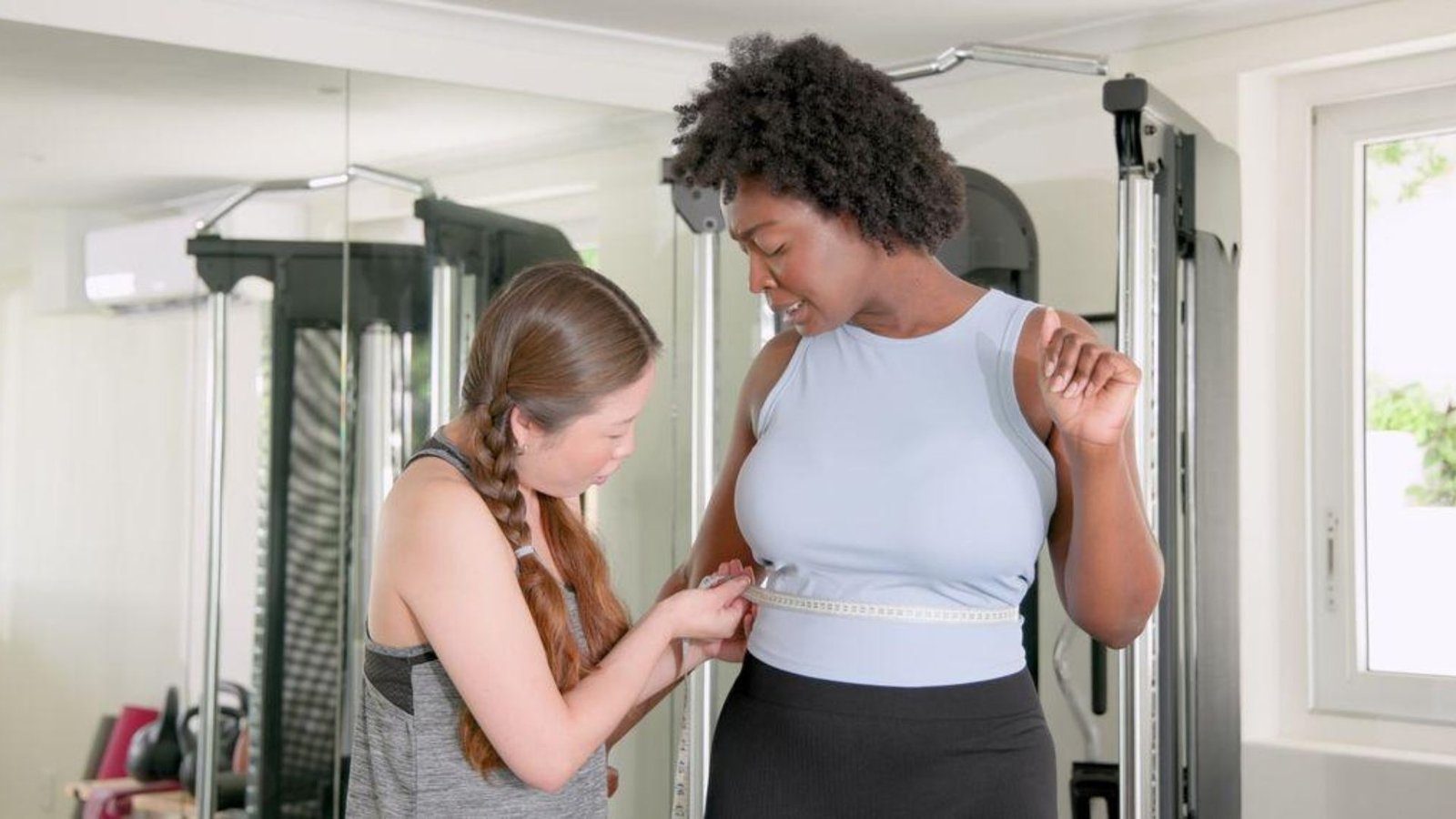
How Long Does It Take to Lose Body Fat?
For most healthy adults, noticeable body fat loss typically begins within 4 to 8 weeks of consistent training and proper nutrition.
Significant body composition changes usually occur over 3 to 6 months, depending on factors such as:
- Starting body fat percentage
- Nutrition habits
- Workout consistency
- Sleep quality
- Stress levels
- Age and metabolism
The key is focusing on sustainable progress instead of quick fixes.
Why Body Fat Loss Takes Time
Many people confuse weight loss with fat loss.
Weight can fluctuate daily because of:
- Water retention
- Sodium intake
- Glycogen storage
- Hormonal changes
Fat loss, however, occurs gradually as your body consistently burns more calories than it consumes while preserving lean muscle.
That’s why measuring progress with photos, body measurements, and strength improvements is often more useful than relying solely on the scale.
What Determines How Fast You Lose Body Fat?
Nutrition
Nutrition is the foundation of successful fat loss.
A balanced eating plan that emphasizes:
- Lean protein
- Fruits and vegetables
- Whole grains
- Healthy fats
helps create a sustainable calorie deficit without leaving you feeling deprived.
Strength Training
Strength training helps preserve muscle while your body burns fat.
Building muscle also increases your resting metabolic rate, allowing you to burn more calories throughout the day.
Cardiovascular Exercise
Walking, cycling, rowing, and interval training can support fat loss when combined with strength training and proper nutrition.
Recovery
Sleep and recovery are often overlooked.
Poor sleep can negatively affect hunger hormones, energy levels, and workout performance.
Aim for 7–9 hours of quality sleep each night.
Healthy Fat Loss Happens Gradually
Most experts recommend aiming to lose approximately:
0.5 to 2 pounds per week
This pace helps:
- Preserve muscle mass
- Improve long-term success
- Reduce the likelihood of regaining weight
- Support overall health
Rapid weight-loss programs often lead to temporary results that are difficult to maintain.
Signs You're Losing Body Fat (Even If the Scale Doesn't Change)
Sometimes your body changes before your weight does.
Positive signs include:
- Clothes fitting better
- Increased muscle definition
- Higher energy levels
- Improved strength
- Better endurance
- Smaller waist measurements
These improvements often indicate you’re losing fat while maintaining or building lean muscle.
Common Mistakes That Slow Fat Loss
Following Extreme Diets
Very restrictive diets are difficult to maintain and may reduce muscle mass.
Skipping Strength Training
Cardio alone isn’t enough for optimal body composition.
Strength training helps maintain muscle during fat loss.
Being Inconsistent
Missing workouts or frequently changing your nutrition plan can delay progress.
Consistency always beats perfection.
Expecting Immediate Results
Healthy fat loss is a long-term investment in your health—not a race.
How a Personal Trainer Can Help You Lose Body Fat Faster
Working with a personal trainer doesn’t magically speed up fat loss, but it can help you avoid the mistakes that slow your progress.
A customized coaching program provides:
- Personalized workouts
- Nutrition guidance
- Accountability
- Progress tracking
- Exercise modifications
- Ongoing motivation
Instead of guessing what works, you’ll follow a plan that’s built around your goals and lifestyle.
What to Expect During Your Fat-Loss Journey
Most clients experience progress in stages.
Weeks 1–2
- Increased energy
- Improved workout confidence
- Better daily habits
Weeks 3–6
- Strength gains
- Improved endurance
- Clothes fitting more comfortably
Weeks 6–12
- Visible body composition changes
- Better muscle definition
- Noticeable fat loss
Long-term consistency leads to lasting transformation.

The Best Fat-Loss Plan Is One You Can Maintain
Forget crash diets and unrealistic promises.
The most effective fat-loss strategy includes:
- Strength training several times each week
- Balanced nutrition
- Adequate protein intake
- Regular physical activity
- Proper sleep
- Consistency
These habits not only help you lose body fat but also make it easier to keep it off.
Build Healthy Habits That Deliver Lasting Results
If you’re wondering how long it takes to lose body fat, remember that every journey is unique.
Rather than chasing rapid results, focus on creating sustainable habits that improve your strength, energy, and overall health.
With the right combination of personalized training, nutrition guidance, and accountability, you’ll be well on your way to achieving the leaner, healthier body you’re working toward.
The goal isn’t simply losing weight—it’s building a lifestyle that helps you feel your best for years to come.
Ready to Start Losing Body Fat the Smart Way?
You don’t need another crash diet or generic workout plan.
Our personalized coaching programs are designed to help you lose body fat safely while building strength, improving confidence, and creating healthy habits that last.
Whether you’re just beginning your fitness journey or trying to break through a plateau, we’re here to help every step of the way.
Schedule your consultation today and discover how a customized fitness plan can help you lose body fat, feel stronger, and achieve lasting results.