If you’ve ever wondered, “How much water should I drink while exercising?,” the honest answer is: enough to replace what you lose, without forcing fluids beyond thirst or comfort. Your ideal water intake while exercising depends on sweat rate, workout length, heat, intensity, clothing, and your starting hydration level. The goal is steady, practical hydration during exercise—not chugging water at the last minute.
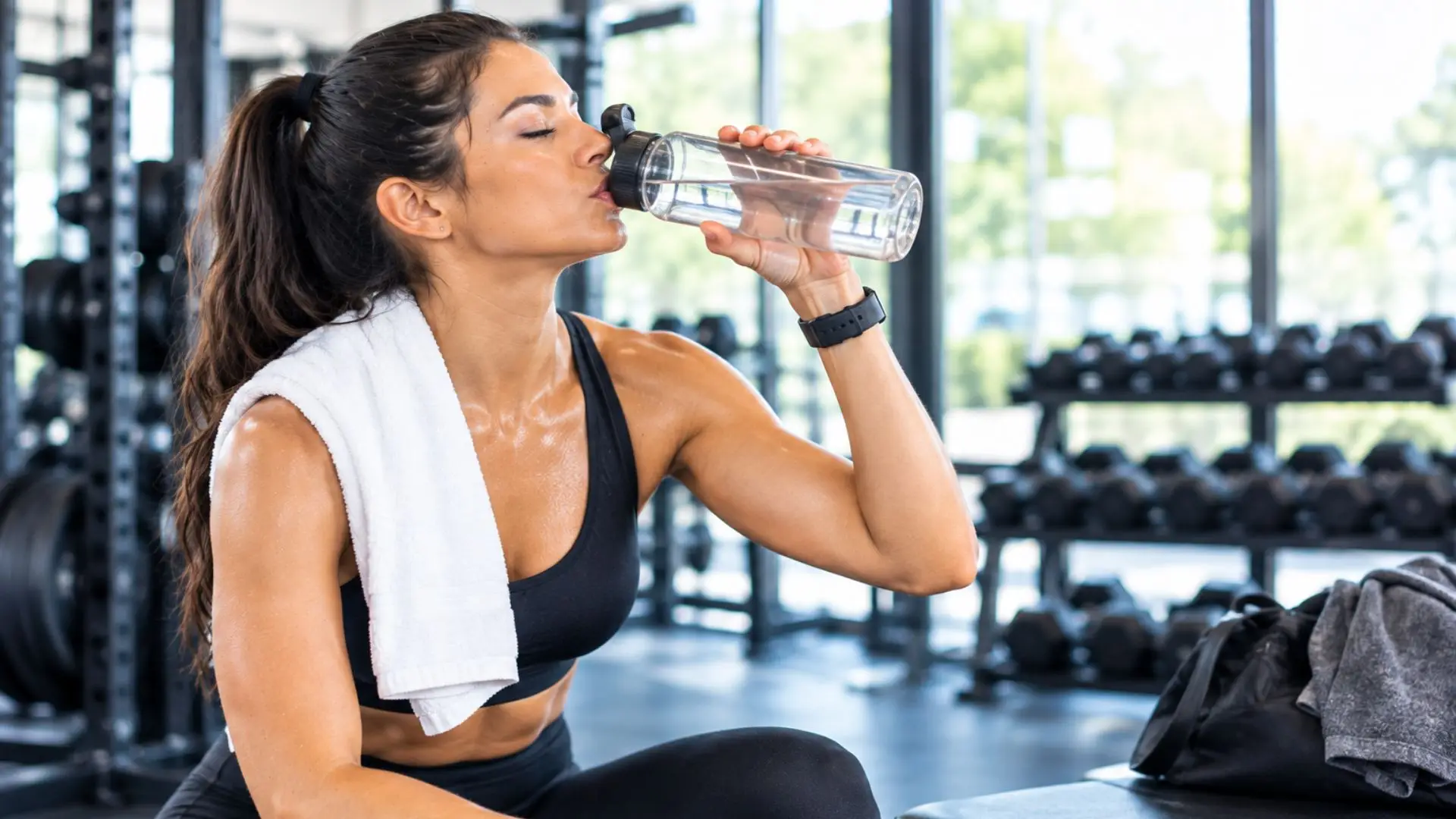
How much water should you drink during exercise?
For most everyday workouts, sip water regularly and let thirst guide you. As a simple starting point, many people do well drinking water before exercise, taking small sips during the session, and rehydrating afterward; Mayo Clinic also suggests roughly 2 to 3 cups of fluid in the 2 to 3 hours before a workout.
During exercise, there is no single “perfect” amount for everyone. The National Athletic Trainers’ Association notes that universal recommendations are difficult because sweat rate, daily water intake, tolerance, and environment vary widely. That means optimal water intake is personal: a light indoor strength session may require only a few sips, while a hot outdoor run may require a more planned approach.
A useful rule is to avoid both extremes. Too little fluid can contribute to dehydration, fatigue, dizziness, and reduced performance. Too much fluid can also be risky, especially during long endurance events, because overdrinking may dilute blood sodium and contribute to exercise-associated hyponatremia.
A simple hydration plan for common workouts
Use this as a practical baseline, then adjust based on how you feel, how much you sweat, and the conditions.
Before exercise: Drink fluids throughout the day, not just five minutes before training. If you are starting a workout soon, avoid chugging large amounts that leave your stomach sloshing.
During workouts under 45–60 minutes: Water is usually enough for moderate sessions, especially indoors or in cool weather.
During longer or hotter workouts: Sip more consistently, and consider electrolytes if you are sweating heavily or exercising for an extended period.
After exercise: Replace fluids gradually. Pale yellow urine, normal thirst, and steady energy are helpful everyday signs that you are rehydrating well.
Hydration for athletes usually needs more structure than hydration for casual exercisers. If you train hard, practice multiple times per day, wear heavy gear, or compete in heat, tracking sweat losses can help you dial in a safer and more effective plan.
Your sweat rate is the best personal guide
The most useful way to estimate your needs is to compare your body weight before and after a typical workout. The National Athletic Trainers’ Association recommends aiming to maintain hydration and avoid losing more than about 2% of body mass during activity.
Try this simple sweat-rate check:
Weigh yourself before exercise, ideally with minimal clothing.
Track how much fluid you drink during the workout.
Weigh yourself again afterward, using similar clothing conditions.
If you lost weight, that is mostly fluid loss; if you gained weight, you may have overhydrated.
Repeat in different conditions, such as hot days, indoor workouts, and longer sessions.
This does not need to become an obsession. It is simply a reality check. If you consistently lose a lot of weight during workouts, drink earlier and more often. If you finish heavier than you started, ease up on forced drinking.
Signs you may need more fluids
Your body gives useful signals, but they work best when you pay attention early. Thirst is important, but during intense training some people ignore it until they are already behind.
Watch for:
Dry mouth or strong thirst
Headache or unusual fatigue
Dizziness or lightheadedness
Dark urine later in the day
Muscle cramps paired with heavy sweating
A sudden drop in performance that feels out of character
These signs do not always mean dehydration is the only problem. Heat illness, low fuel intake, illness, medications, and sleep loss can feel similar. If symptoms are severe, recurring, or include confusion, fainting, chest pain, or inability to cool down, stop exercising and seek medical help.
Water, electrolytes, and sports drinks
Plain water is the right choice for many workouts. It is accessible, easy on the stomach, and usually enough for short to moderate exercise. Sports drinks or electrolyte beverages become more useful when sessions are long, intense, very sweaty, or done in hot and humid conditions.
Electrolytes matter because sweat contains sodium and other minerals. If you replace only water during prolonged heavy sweating, you may not replace enough sodium. Mayo Clinic sports medicine guidance commonly emphasizes drinking to thirst and using electrolyte-containing beverages when needed, particularly for longer or hotter activity.
That does not mean every gym session needs a sugary drink. For a 30-minute walk or easy strength workout, water is usually sufficient. For a long run, outdoor boot camp, tournament, or endurance event, a drink with electrolytes may help you maintain comfort and performance.
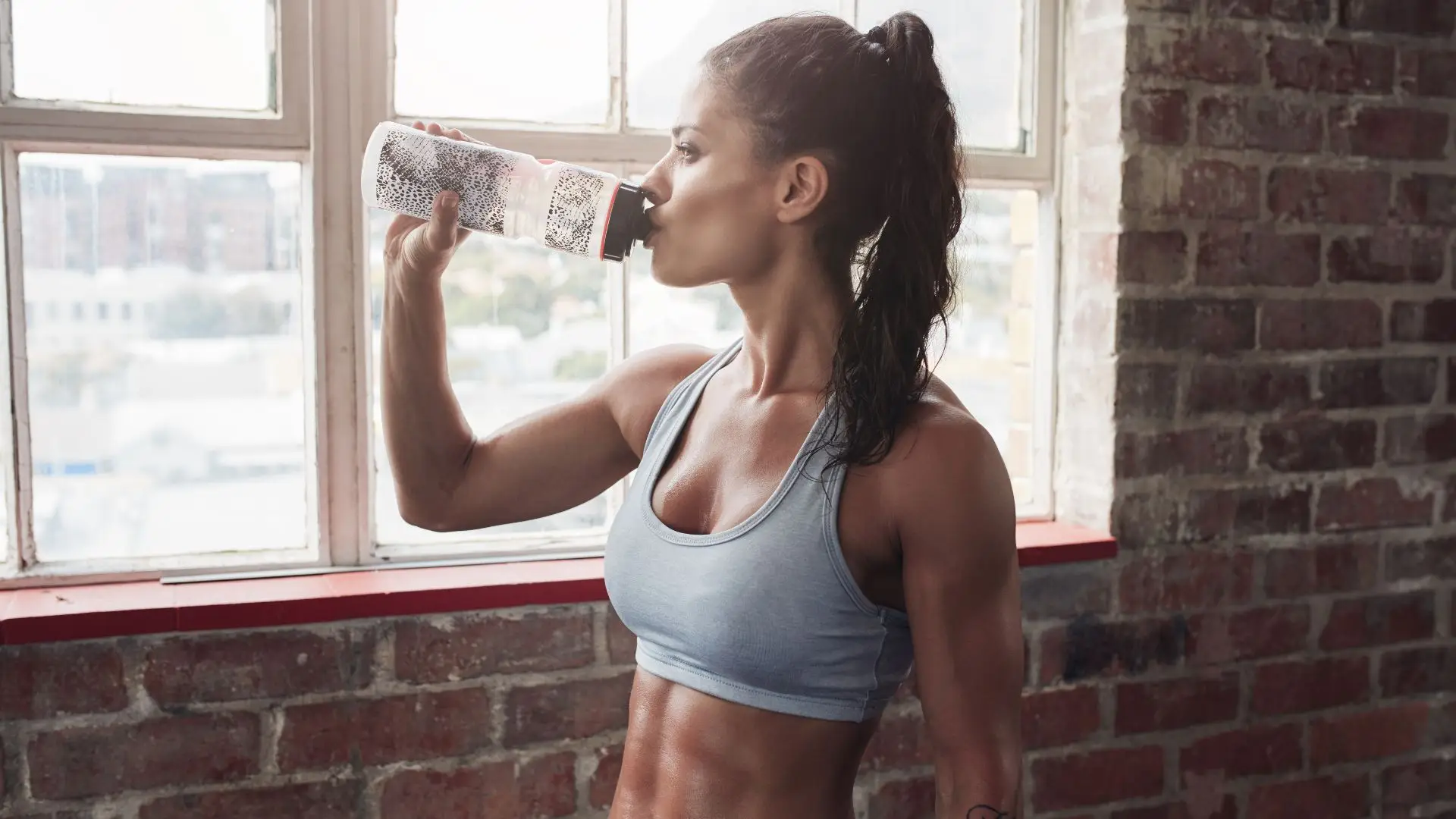
Factors that change optimal water intake
Your hydration needs can shift from day to day. A plan that works in January may not work during a humid July workout.
Key factors include:
Temperature and humidity: Heat and humidity increase sweat losses and make cooling harder.
Workout intensity: Hard intervals usually demand more fluid than an easy mobility session.
Duration: Longer sessions create more opportunity for dehydration or overhydration.
Body size and sweat rate: Larger bodies and heavy sweaters often need more fluid.
Clothing and equipment: Pads, helmets, dark clothing, or layers can increase heat stress.
Fitness and acclimation: People new to heat may need extra caution while adapting.
Health status: Illness, pregnancy, certain medications, and medical conditions can affect fluid needs.
If you have kidney, heart, blood pressure, or electrolyte concerns, ask a healthcare professional for individualized guidance.
FAQ
Is it better to sip or chug water during exercise?
Sipping is usually better. Small, steady amounts are easier on the stomach and help you stay comfortable while training.
How do I know if I drank too much water?
Warning signs can include nausea, bloating, headache, confusion, or gaining weight during a long event. Overhydration can be serious, so avoid forcing water beyond thirst during prolonged exercise.
Do I need electrolytes every time I work out?
No. Electrolytes are most helpful for long, hot, intense, or very sweaty workouts. For shorter moderate sessions, water is typically enough.
Should I drink water before or after exercise?
Both. Start hydrated, sip as needed during training, and replace fluid gradually afterward.
Make hydration part of your training plan
Good hydration does not have to be complicated. Start with water, listen to thirst, adjust for heat and sweat, and use electrolytes when your workout demands more than plain water. The best plan is consistent, comfortable, and matched to your body—not copied from someone else’s bottle.
Ready for personalized fitness guidance?
If you want help building smarter workouts, improving consistency, and creating a training plan that fits your life, Contact Us to learn more about personal training support.