Grip strength plays a major role in overall lifting performance. Many lifters find their hands fail before their back, shoulders, or legs are fully challenged. This limitation can slow progress and reduce training quality. This is where straps for weight training can make a meaningful difference.
While straps are sometimes misunderstood or seen as a shortcut, using them correctly can actually support long-term grip strength development while allowing you to lift heavier and train more effectively.
What Are Straps for Weight Training?
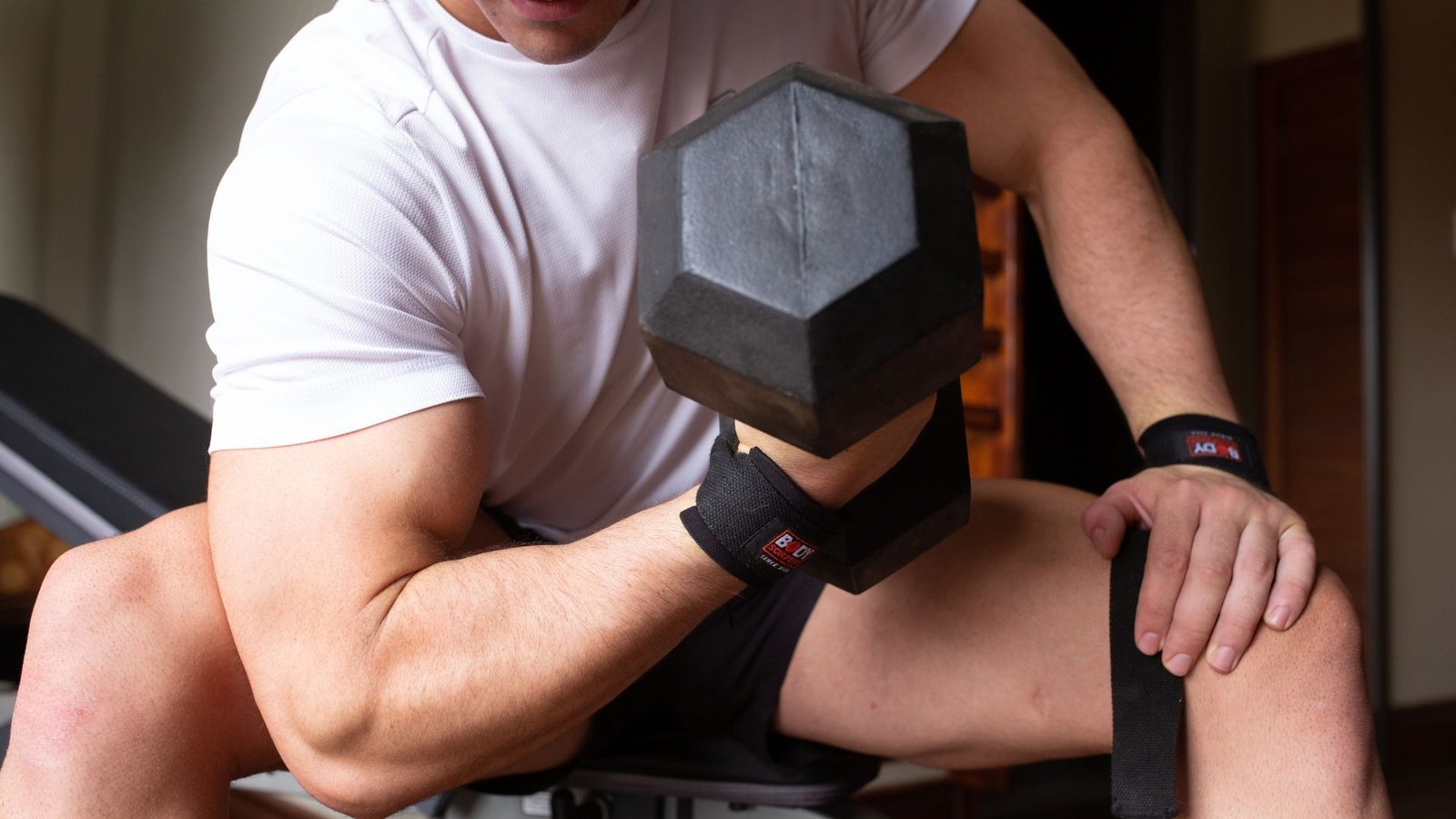
Straps for weight training are supportive accessories made from materials such as cotton, nylon, or leather. They wrap around the wrist and the barbell or dumbbell to help secure your grip during pulling movements.
They are most commonly used during exercises like deadlifts, rows, shrugs, and pull-ups. Their main purpose is to reduce grip fatigue so larger muscle groups can be trained more effectively.
How Straps Help Improve Grip Strength Over Time
It may seem counterintuitive, but straps for weight training can improve grip strength indirectly when used strategically.
Supporting Progressive Overload
Grip strength improves when muscles are exposed to heavier loads over time. Without straps, grip fatigue often limits how much weight you can lift. By allowing you to handle heavier weights, straps increase overall training stimulus, which encourages forearm and hand strength adaptation over time.
Extending Time Under Tension
When your grip gives out early, your target muscles stop working. Straps help extend sets, allowing longer time under tension for both the primary muscles and the supporting grip muscles. This increased workload contributes to strength development.
Improving Technique and Control
When grip is not the limiting factor, you can focus on proper form and muscle engagement. Better technique improves neuromuscular efficiency, which benefits overall strength, including grip strength.
When to Use Straps for Weight Training
Straps should be used as a tool, not a crutch. Knowing when to use them is essential for balanced development.
Best times to use straps:
Heavy deadlifts and rack pulls
Barbell and dumbbell rows
Shrugs with heavier loads
High-volume back workouts
Avoid using straps:
During warm-up sets
On lighter lifts
For every single set
During grip-specific training
This approach ensures your grip still gets challenged while allowing you to train heavier when it matters most.
Do Straps Weaken Natural Grip Strength?
Straps for weight training do not weaken grip strength when used correctly. Grip weakness only occurs when straps are relied on exclusively without any direct grip work.
To continue improving grip strength, include exercises such as:
Farmer’s carries
Dead hangs
Plate pinches
Barbell holds
Combining direct grip training with strategic strap use produces the best long-term results.
Sample Weekly Training Program Using Straps
| Day | Training Focus | Strap Usage |
|---|---|---|
| Monday | Back & Deadlifts | Use straps on heavy top sets |
| Tuesday | Push (Chest & Shoulders) | No straps |
| Wednesday | Grip & Forearms | No straps |
| Thursday | Lower Body | Optional for heavy RDLs |
| Friday | Upper Pull | Straps for rows and shrugs |
| Saturday | Conditioning | No straps |
| Sunday | Rest | Recovery and mobility |
This structure allows straps for weight training to enhance performance without limiting grip development.
Choosing the Right Straps for Weight Training
Different strap styles suit different lifters:
Loop straps are beginner-friendly and versatile
Figure-8 straps provide maximum support for heavy deadlifts
Leather straps offer durability and comfort for frequent use
Choose straps based on your lifting goals, comfort, and experience level rather than appearance alone.
Common Misconceptions About Lifting Straps
A common myth is that straps are only for advanced lifters. In reality, beginners can benefit from straps when learning heavy compound movements safely.
Another misconception is that straps eliminate grip work. In truth, they simply shift the focus temporarily so larger muscle groups can be trained effectively.
Understanding how and when to use straps makes them a valuable addition to any training program.
Train Smarter and Lift With Confidence
Straps for weight training are not shortcuts. They are tools that help you train harder, lift heavier, and progress more consistently. When combined with direct grip training and smart programming, they can actually support grip strength rather than hinder it.
Take Your Strength Training to the Next Level
If you want to lift heavier, break plateaus, and improve overall performance, using the right tools at the right time matters. Incorporate straps for weight training strategically, follow a structured plan, and stay consistent.
With smart training habits and proper recovery, stronger grip strength and better lifts are well within reach.