Following Workout Plans But Still Not Getting Stronger?
If you’ve tried multiple workout routines and still aren’t seeing the results you want, you’re not alone.
Many people spend months jumping from one program to another, hoping to find the “perfect” workout plan. Unfortunately, most generic programs fail because they aren’t designed around your specific goals, fitness level, or lifestyle.
So, what is the best strength training program?
The answer may surprise you.
The best strength training program isn’t necessarily the most popular one. It’s the program that matches your goals, fits your schedule, progresses over time, and keeps you consistent.
In this guide, you’ll learn exactly what separates effective strength training programs from the ones that waste your time.
Want a customized strength training plan designed specifically for your goals? Schedule a consultation to discover the fastest path to lasting results.
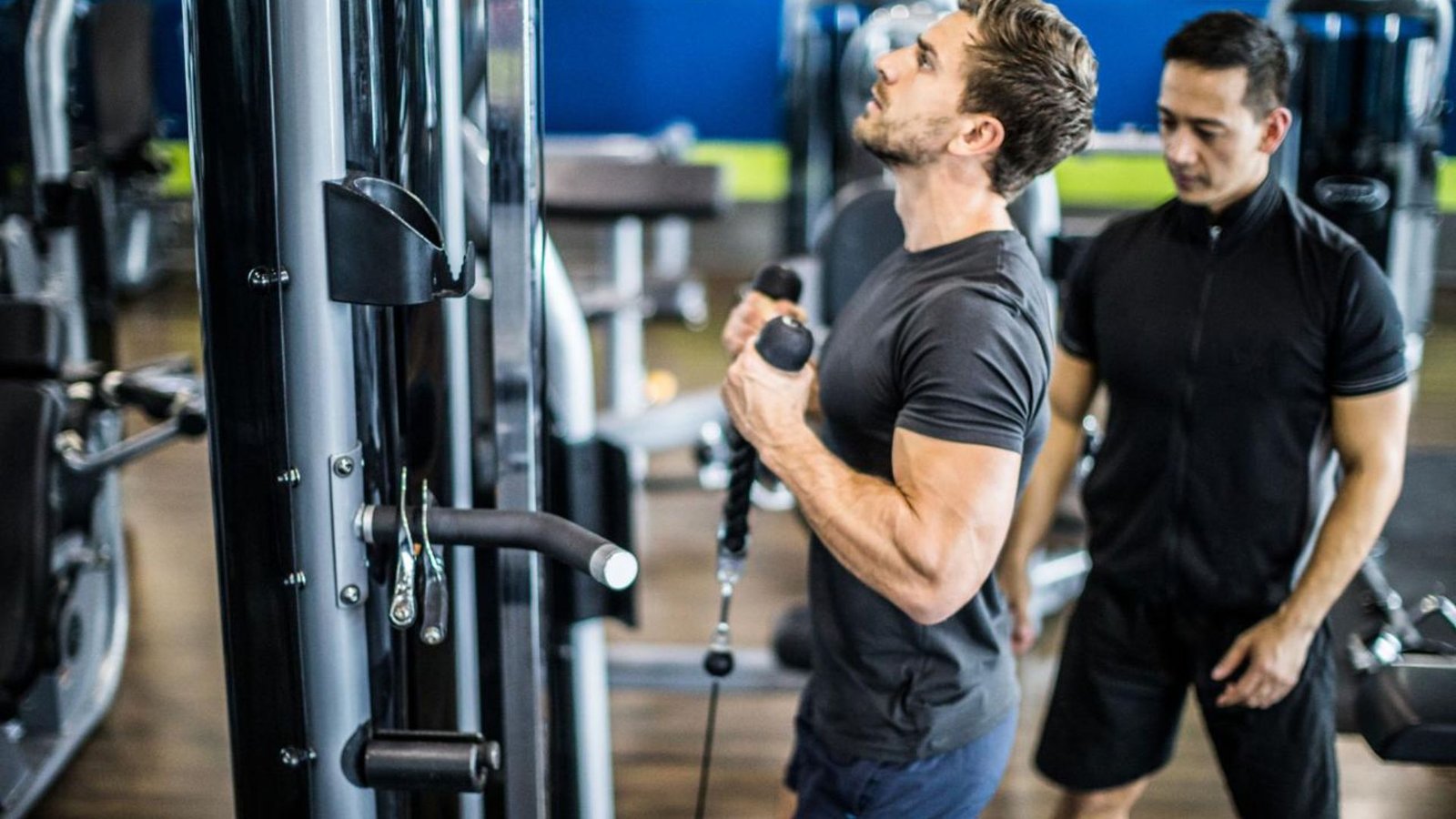
What Makes a Strength Training Program Effective?
The Best Programs Focus on Progress
Strength training is about more than simply lifting weights.
A successful program helps you:
- Build strength consistently
- Increase lean muscle mass
- Improve movement quality
- Reduce injury risk
- Support long-term health
The key is progressive improvement over time.
Without progression, results eventually stall.
The Best Strength Training Program Depends on Your Goals
For Fat Loss
If your primary goal is fat loss, strength training helps preserve muscle while increasing calorie expenditure.
An effective fat-loss-focused program should include:
- Full-body workouts
- Compound exercises
- Progressive overload
- Moderate cardiovascular activity
The result is improved body composition rather than simply losing weight.
For Building Muscle
Muscle-building programs typically include:
- Higher training volume
- Progressive resistance
- Recovery-focused scheduling
- Adequate nutrition support
The goal is to maximize muscle growth while minimizing unnecessary fatigue.
For General Fitness
Many adults simply want to:
- Feel stronger
- Improve energy levels
- Move better
- Maintain health
A balanced strength training program can deliver all of these benefits without requiring hours in the gym.
The Core Elements of the Best Strength Training Program
Progressive Overload
Progressive overload is the foundation of all successful strength training.
It involves gradually increasing:
- Weight
- Repetitions
- Sets
- Intensity
Your body adapts only when challenged.
Consistent progression leads to consistent results.
Compound Movements
The most effective programs prioritize exercises that work multiple muscle groups.
Examples include:
- Squats
- Deadlifts
- Lunges
- Rows
- Bench Press
- Overhead Press
These exercises provide maximum return on your training investment.
Recovery and Rest
Many people underestimate recovery.
Muscles grow and strengthen during recovery—not during workouts.
Effective programs include:
- Scheduled rest days
- Recovery sessions
- Proper sleep recommendations
Why Full-Body Strength Training Works So Well
Ideal for Busy Adults
For many adults in Medford, balancing work, family, and fitness can be challenging.
Full-body workouts provide:
- Greater efficiency
- More frequent muscle stimulation
- Flexible scheduling
- Better consistency
Most beginners and intermediate trainees achieve excellent results with 2–4 full-body workouts per week.
Better Long-Term Adherence
The best workout plan is the one you’ll actually follow.
Full-body training often makes consistency easier.

Common Mistakes That Prevent Strength Gains
Changing Programs Too Frequently
One of the biggest mistakes is chasing the newest workout trend.
Results come from consistent execution, not constant change.
Ignoring Proper Form
Poor technique can reduce effectiveness and increase injury risk.
Learning correct movement patterns should always come first.
Not Tracking Progress
Without tracking your workouts, it’s difficult to know whether you’re improving.
Monitoring progress helps ensure continued growth.
Underestimating Nutrition
Strength gains require adequate fuel.
Without proper nutrition, progress slows dramatically.
How Often Should You Strength Train?
The Sweet Spot for Most Adults
Most people achieve excellent results with:
2–4 strength training sessions per week
This schedule provides:
- Enough training stimulus
- Adequate recovery
- Better long-term sustainability
More isn’t always better.
Consistency matters far more than frequency alone.
Why Personalized Programming Produces Better Results
Generic Plans Have Limitations
Many online programs assume everyone has the same:
- Goals
- Experience level
- Schedule
- Physical capabilities
In reality, every individual is different.
A personalized strength training program considers:
- Current fitness level
- Injury history
- Available equipment
- Lifestyle demands
- Specific goals
This often leads to faster progress and better long-term outcomes.
The Best Strength Training Program Is One You Can Sustain
The most effective strength training program isn’t the most complicated.
It’s the one that:
- Matches your goals
- Fits your lifestyle
- Challenges you appropriately
- Progresses over time
- Keeps you motivated
When these factors align, strength, muscle growth, and improved fitness naturally follow.
The people who achieve lasting results aren’t necessarily doing extraordinary workouts—they’re following the right plan consistently.
Ready to Build Strength With a Program Designed for You?
Stop wasting time on generic workout plans that don’t address your unique needs.
Whether your goal is losing fat, building muscle, increasing strength, or improving overall health, a customized strength training strategy can help you achieve results faster and more efficiently.
Our personalized coaching programs provide expert guidance, accountability, and proven training methods tailored specifically to your goals.
Schedule your consultation today and discover the strength training program that can help you build confidence, improve performance, and achieve lasting results.