Finding the right workout program for weight loss can feel overwhelming. With so many trends promising fast results, it’s easy to feel confused or discouraged. The truth is, successful weight loss doesn’t come from extreme workouts or short-term motivation. It comes from a balanced, realistic workout program for weight loss that you can maintain over time. When exercise supports your lifestyle instead of controlling it, results become more achievable and long-lasting.
What Makes a Workout Program for Weight Loss Effective?
An effective workout program for weight loss focuses on consistency, balance, and progression. It should combine strength training, cardiovascular exercise, and adequate recovery. This approach helps burn calories, preserve lean muscle, and support overall health.
Many people make the mistake of relying only on cardio. While cardio is important, strength training plays a critical role by increasing muscle mass, which helps your body burn more calories even at rest. The most successful workout program for weight loss uses both.
The Role of Strength Training in Weight Loss
Strength training is essential in any workout program for weight loss. When you build muscle, your metabolism becomes more efficient. This means you burn more calories throughout the day, not just during workouts.
Exercises such as squats, lunges, push-ups, rows, and hip hinges work multiple muscle groups at once. These movements are time-efficient and highly effective for fat loss. Strength training also improves posture, joint stability, and overall functional strength.
Including two to three strength sessions per week is enough for most people to see progress without overwhelming the body.
Cardio Training That Supports Fat Loss
Cardio helps create the calorie deficit necessary for weight loss and improves heart health. Walking, cycling, swimming, and low-impact cardio workouts are excellent choices, especially for beginners.
A workout program for weight loss doesn’t require exhausting cardio sessions. Moderate-intensity cardio done consistently is often more sustainable and just as effective. Enjoyment matters, because the best cardio routine is the one you’ll stick with long term.
How Often Should You Work Out?
Frequency should support recovery, not compete with it. Most people do well with four to five workout days per week. This allows for a mix of strength and cardio while still giving the body time to recover.
Rest days are not a setback. They are a necessary part of any workout program for weight loss, helping prevent injury and burnout.
Sample Workout Program for Weight Loss
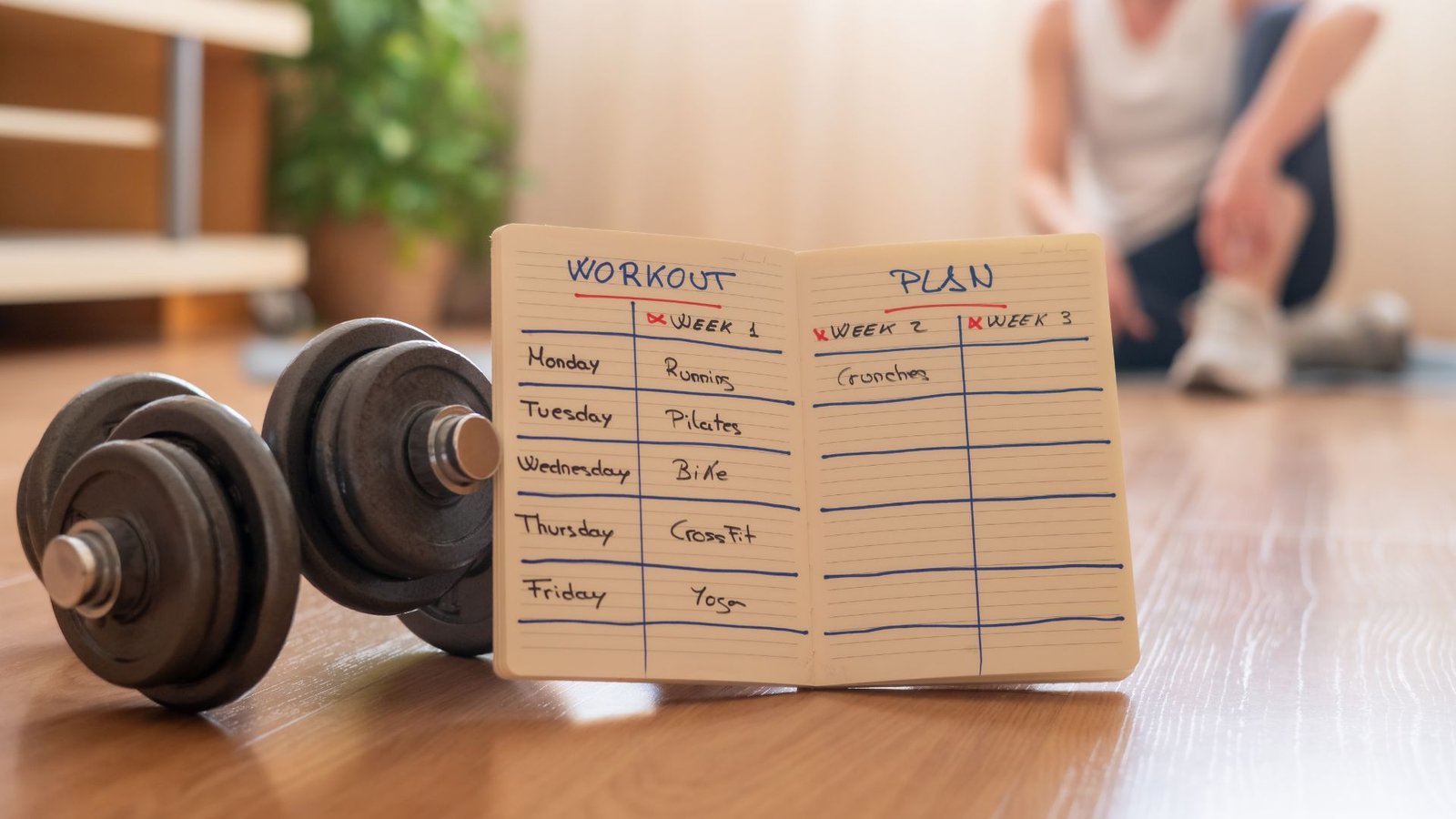
Below is an example of a beginner-to-intermediate friendly workout program for weight loss. This structure balances strength, cardio, and recovery to support steady progress.
| Day | Workout Focus | Details |
|---|---|---|
| Monday | Full-Body Strength | Squats, Push-Ups, Rows, Glute Bridges, Core Work |
| Tuesday | Cardio | Brisk Walking or Cycling (25–40 minutes) |
| Wednesday | Rest / Mobility | Light Stretching or Mobility Exercises |
| Thursday | Full-Body Strength | Lunges, Chest Press, Hip Hinges, Core Exercises |
| Friday | Cardio | Low-Impact Cardio or Intervals (20–30 minutes) |
| Saturday | Optional Activity | Light Yoga, Long Walk, or Recreational Activity |
| Sunday | Rest | Full Rest Day |
This type of structure is common in a sustainable workout program for weight loss because it encourages consistency without overtraining.
Common Mistakes That Slow Weight Loss
One of the most common mistakes is doing too much too soon. Overtraining can lead to fatigue, injury, and loss of motivation. Another mistake is constantly changing workouts, which makes it hard to track progress.
Skipping strength training or relying only on intense cardio can also slow results. A balanced workout program for weight loss works far better than extremes.
Tracking Progress Beyond the Scale
The scale is only one measure of progress. Weight can fluctuate due to water retention, muscle gain, and hormonal changes. Instead, pay attention to how your clothes fit, improvements in strength, endurance, and daily energy levels.
Tracking workouts and celebrating small wins can help you stay motivated and committed to your workout program for weight loss.
Making Your Workout Program Sustainable
Sustainability is the most important factor in long-term success. Choose exercises you enjoy, set realistic goals, and allow flexibility. Missing a workout occasionally is normal and doesn’t mean failure.
A workout program for weight loss should enhance your life, not create stress. When exercise becomes part of your routine rather than a temporary fix, results follow naturally.
Start Your Weight Loss Journey With Confidence
A well-structured workout program for weight loss can help you build strength, burn fat, and feel more confident in your body. If you’re ready to stop guessing and want a clear plan tailored to your goals, schedule, and fitness level, now is the perfect time to take action. Reach out to a qualified fitness professional or explore guided training programs to gain structure, accountability, and long-term success.