Finding the Right Balance Between Training and Recovery
Are you strength training but unsure whether you’re working out often enough to see results? Maybe you’re wondering if two days a week is enough, or if you need to spend five or six days in the gym to build muscle.
The truth is that you don’t need to strength train every day to get stronger. The right schedule depends on your fitness level, goals, workout intensity, and ability to recover between sessions.
For many adults, two to three strength training sessions per week provide an excellent starting point. With a structured program, you can build muscle, improve strength, and support healthy weight management without overwhelming your schedule.
If you’re in Medford, MA, and want a routine that fits your lifestyle, personalized coaching can help you determine the right training frequency. Schedule a consultation to discuss your fitness goals and build a plan you can maintain.

How Many Days a Week Should You Strength Train?
For most adults, strength training two to four days per week can support meaningful improvements in strength and muscle development.
Your ideal schedule depends on your experience:
Beginners: Start with two or three full-body sessions per week.
Intermediate exercisers: Consider three or four sessions, depending on recovery and goals.
Experienced lifters: Four or more sessions may work when training volume and recovery are managed properly.
Adults returning after a long break: Begin with two manageable sessions and gradually increase frequency.
The most important factor is consistency. A realistic schedule you can follow for several months is more effective than an intense routine you abandon after a few weeks.
How Often Should Beginners Strength Train?
If you’re new to resistance training, start with two or three full-body workouts per week.
This gives you enough practice to learn fundamental exercises while allowing time for your muscles to recover. You also have opportunities to improve your technique before increasing resistance.
A beginner-friendly routine should include movements such as:
Squats or chair squats
Push-ups or chest presses
Dumbbell rows
Glute bridges
Light deadlift variations
Planks or other core exercises
You don’t need dozens of exercises in every session. Focus on a few movements that train the major muscle groups.
For more guidance, read our related article on building a beginner strength training routine.
How Many Days Should You Strength Train to Build Muscle?
If your goal is muscle growth, training frequency should give each major muscle group enough work to stimulate progress.
Many people build muscle effectively with three or four weekly sessions. However, the number of workouts matters less than the overall training volume, exercise quality, and recovery.
Try a Three-Day Full-Body Schedule
A full-body routine is a practical option for people with busy schedules.
For example:
| Day | Workout |
|---|---|
| Monday | Full-body strength training |
| Tuesday | Walking or active recovery |
| Wednesday | Full-body strength training |
| Thursday | Rest or light activity |
| Friday | Full-body strength training |
| Saturday | Walking, cycling, or mobility |
| Sunday | Rest |
This approach trains the major muscle groups multiple times throughout the week without requiring daily gym sessions.
If you’re interested in gaining muscle, our guide on how beginners can build muscle explains how to structure workouts and progress over time.
How Many Days a Week Should You Lift Weights for Weight Loss?
If you’re trying to lose body fat, strength training two to four times per week can help you maintain muscle while improving your overall fitness.
Lifting weights is particularly useful during weight loss because it helps preserve lean muscle as you reduce body fat.
For better results, combine strength training with:
Regular walking or other cardiovascular activity
Balanced meals with adequate protein
Appropriate portion sizes
Consistent sleep
Sustainable daily habits
Remember that weight loss requires an appropriate calorie deficit. Strength training supports the process, but it doesn’t automatically guarantee fat loss.
Learn more in our article, Can Strength Training Help You Lose Fat and Build Muscle?.
Why Rest Days Are Important for Building Strength
Working out creates a training stimulus, but your body needs recovery time to adapt.
During recovery, muscles repair and prepare for future exercise. Skipping rest or repeatedly training the same muscles at high intensity can make it harder to perform well.
What Should You Do on Rest Days?
Rest doesn’t always mean sitting on the couch all day. Depending on your energy and soreness, you can try:
Walking outdoors
Gentle stretching
Light cycling
Mobility exercises
Relaxing activities
If you’re experiencing significant soreness, fatigue, or declining performance, consider reducing your training intensity or taking an additional rest day.
Recovery is part of your training plan, not a break from making progress.
How Long Should Each Strength Training Session Last?
Most strength training sessions can be completed in approximately 30 to 60 minutes, depending on your workout structure and experience.
A productive session generally includes:
Warm-up: Spend five to ten minutes preparing your muscles and joints.
Main exercises: Perform movements that target major muscle groups.
Additional exercises: Include accessory work based on your goals.
Cool-down: Finish with gentle movement or stretching if helpful.
You don’t need to spend two hours lifting weights. A focused workout with good technique and appropriate resistance can be effective.
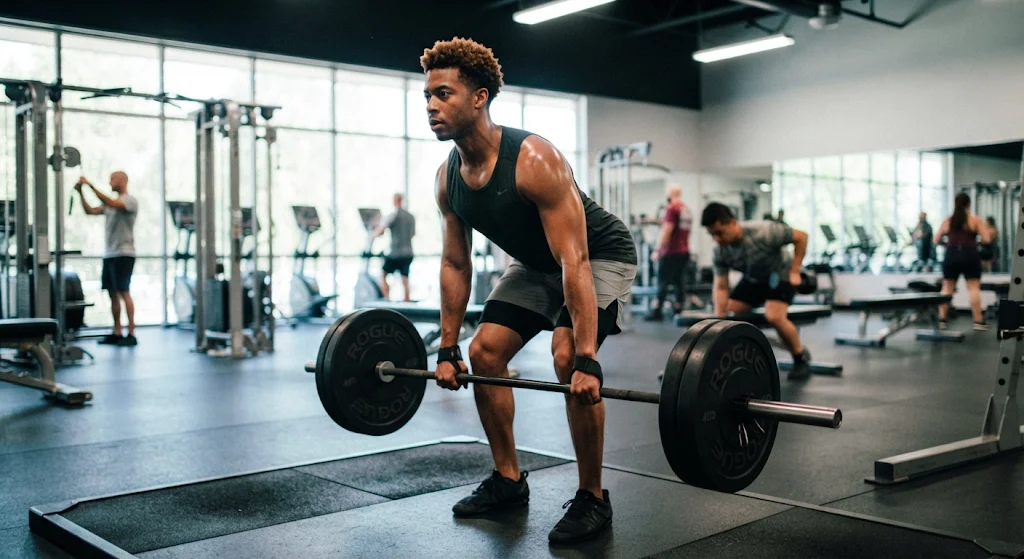
Signs You May Be Strength Training Too Often
Training more frequently isn’t always better. Your body needs enough recovery to adapt to the demands of exercise.
Watch for these possible signs that your schedule needs adjusting:
Persistent muscle soreness
Unusual or ongoing fatigue
Declining workout performance
Difficulty sleeping
Loss of motivation
Joint discomfort or recurring pain
If these symptoms continue, reduce your training load and consider speaking with a qualified health professional when appropriate.
A personal trainer can also help adjust your exercise selection, intensity, and weekly schedule.
How a Personal Trainer Can Help You Choose the Right Schedule
Choosing how many days to strength train can be confusing when you’re balancing work, family, and other responsibilities.
A personal trainer can help create a schedule that matches your goals and current fitness level.
Personalized coaching can include:
Customized weekly workout plans
Guidance on exercise technique
Appropriate training intensity
Progress tracking
Recovery recommendations
Modifications for physical limitations
Accountability and ongoing motivation
If you’re unsure how frequently you need professional support, read How Often Should I See a Personal Trainer to Get Results?.
The goal is to help you become stronger while developing a routine that works outside the gym, too.
Frequently Asked Questions
Is strength training three days a week enough?
Yes. Three well-planned full-body workouts per week can provide enough training stimulus for beginners and many intermediate exercisers to improve strength and build muscle.
Can I strength train two days in a row?
You can, but avoid training the same muscles intensely on consecutive days when they haven't recovered. If you exercise on back-to-back days, consider alternating muscle groups or varying workout intensity.
Is it okay to strength train every day?
Some experienced people follow daily training schedules, but that doesn't mean every session should be intense. Beginners generally benefit from fewer strength sessions and more recovery time.
How many rest days should I take between strength workouts?
Many beginners benefit from approximately 48 hours before training the same muscle groups intensely again. The exact recovery time depends on workout intensity, fitness level, sleep, and individual needs.
Should I do cardio on days I don't lift weights?
Yes. Walking, cycling, swimming, and other moderate activities can complement strength training. Keep the intensity appropriate so cardio doesn't interfere with your recovery.
Is two days of strength training enough to build muscle?
Yes. Two consistent full-body workouts per week can build strength and muscle, particularly for beginners. Progress depends on exercise selection, effort, nutrition, and gradual increases in training demands.
Build a Strength Training Schedule That Fits Your Life
So, how many days a week should you strength train? For most beginners, starting with two or three sessions is a practical way to build strength, develop confidence, and establish consistency.
As your fitness improves, you can adjust your schedule to support muscle growth, fat loss, or other personal goals. Just remember that effective training requires more than showing up at the gym. Proper technique, progressive resistance, nutrition, and recovery all contribute to long-term progress.
You don’t have to figure out the perfect routine on your own.
Ready to Get Stronger With a Personalized Plan?
Whether you’re new to strength training or struggling to break through a fitness plateau, the right coaching can help you move forward with confidence.
Medford Personal Trainer can help you work toward a structured fitness routine that considers your goals, experience, schedule, and individual needs.
Schedule your consultation today and discover how a personalized strength training program can help you build muscle, improve your fitness, and achieve lasting results.