Starting an exercise routine can feel overwhelming, especially if you’re new to fitness or returning after time away. The good news is that you don’t need a gym membership, expensive equipment, or prior experience to begin. Exercise for beginners at home offers a comfortable, flexible, and effective way to build strength, improve health, and gain confidence at your own pace. With the right approach, small steps taken at home can lead to lasting lifestyle changes.
Why Exercise for Beginners at Home Works So Well
One of the biggest advantages of exercising at home is convenience. There’s no travel time, no crowded spaces, and no pressure to perform in front of others. This makes it easier to focus on learning movements correctly and developing consistency.
Exercise for beginners at home also allows you to customize your routine. You can choose workout times that fit your schedule and adjust intensity based on how your body feels. This flexibility helps reduce stress and increases the likelihood of sticking with your routine.
Important Guidelines Before You Begin
Before starting any exercise program, it’s important to set realistic expectations. Progress takes time, and consistency matters more than perfection. Begin with short sessions and gradually build up as your fitness improves.
Warming up is essential. Gentle movements like marching in place, arm circles, and light stretching prepare your muscles and joints for activity. Cooling down afterward helps your body recover and reduces soreness.
Listening to your body is crucial. Mild muscle soreness is normal, but sharp pain is a sign to stop and rest. Exercise for beginners at home should feel challenging yet manageable.
Best Types of Exercise for Beginners at Home
Bodyweight Strength Training
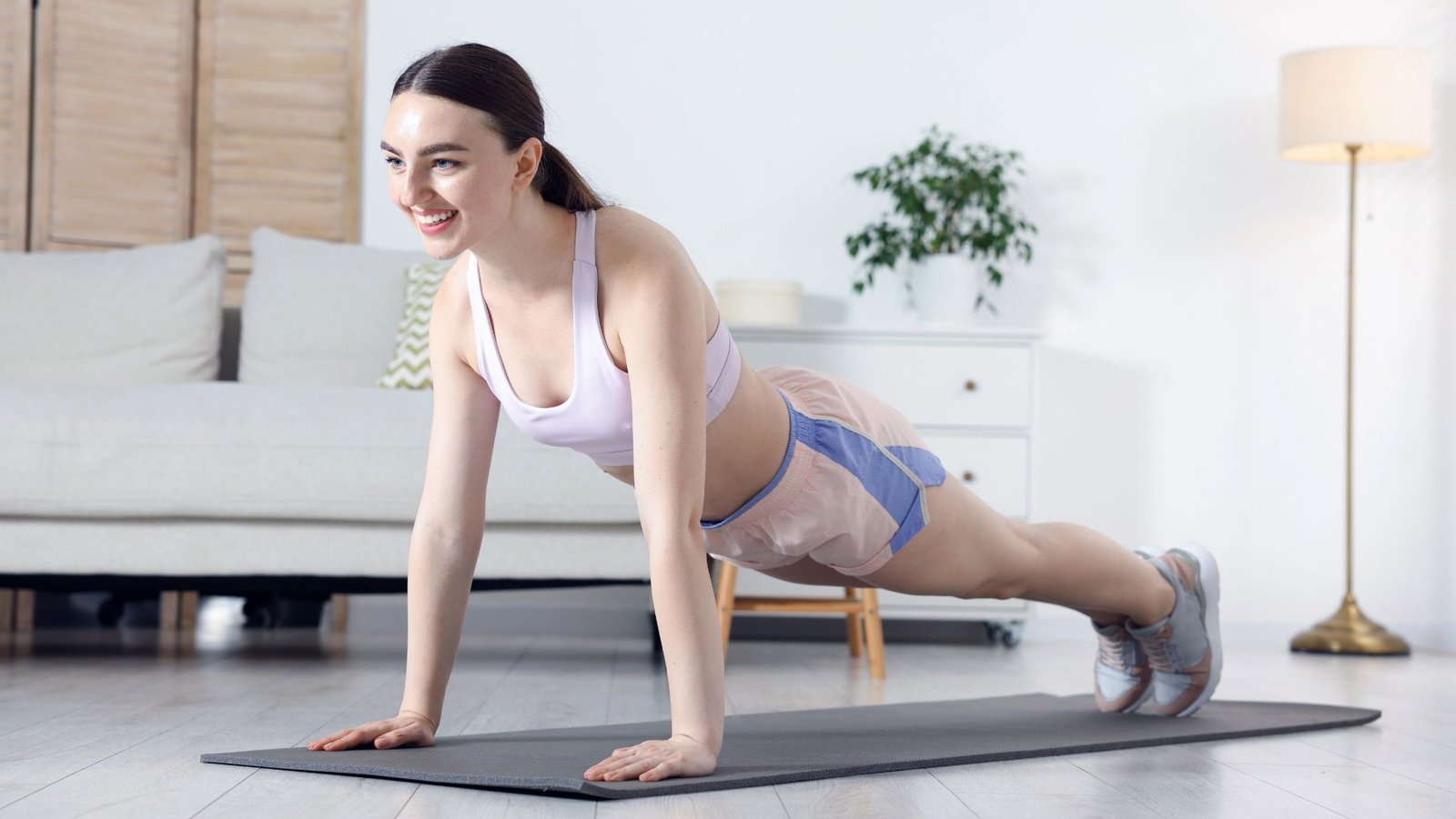
Bodyweight exercises are ideal for beginners because they are easy to learn and require no equipment. Movements such as squats, wall push-ups, glute bridges, and step-backs help strengthen major muscle groups.
These exercises improve balance, coordination, and overall strength while teaching proper movement patterns.
Low-Impact Cardio
Cardio supports heart health and energy levels. Low-impact options are best for beginners. Walking in place, side steps, light dancing, or beginner cardio routines can raise your heart rate without stressing your joints.
Short sessions of 10 to 20 minutes are effective and easy to fit into your day.
Core and Stability Exercises
Core strength is essential for posture and everyday movement. Simple exercises like seated knee lifts, standing rotations, or lying leg raises help build a strong foundation.
Including core exercises in your exercise for beginners at home routine improves stability and reduces injury risk.
How to Structure a Beginner Home Workout
A clear structure makes workouts less intimidating. A simple session might include:
Five minutes of warm-up with gentle movement
Three to five strength exercises performed with control
Ten to fifteen minutes of low-impact cardio
Five minutes of stretching and relaxation
This structure keeps workouts around 20 to 30 minutes, making them easy to maintain.
How Often Should Beginners Exercise at Home?
Most beginners benefit from exercising three to four times per week. This frequency allows your body to adapt while giving you enough rest for recovery.
As your confidence and endurance increase, you can gradually add more sessions or extend workout length. The key is steady progression, not rushing results.
Common Beginner Mistakes to Avoid
Trying to do too much too soon is one of the most common mistakes. Overexertion often leads to burnout or injury. Skipping warm-ups or ignoring rest days can also slow progress.
Comparing yourself to others is another trap. Exercise for beginners at home is about personal growth and building healthy habits, not matching someone else’s routine.
Staying Motivated and Consistent
Motivation grows through action. Set small, achievable goals such as completing three workouts per week or moving for ten minutes each day. Celebrate these milestones—they help build confidence.
Creating a routine makes exercise a habit. Choose a consistent time and space in your home for workouts. Remember, consistency will always produce better results than intensity alone.
Start Moving With Confidence Today
Exercise for beginners at home is a powerful way to take control of your health in a supportive and comfortable environment. If you’re ready to stop guessing and want a clear, beginner-friendly plan tailored to your goals and lifestyle, now is the perfect time to take action. Reach out to a qualified fitness professional or explore guided beginner programs to build confidence, stay consistent, and create lasting results.